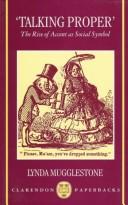
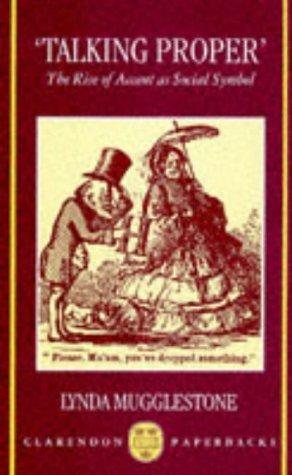
Pronunciation in Britain acts as an image of identity laden with social and cultural sensitivities. In 'Talking Proper' Lynda Mugglestone studies the shifts in attitudes to language (and in language itself) which, in the late eighteenth and nineteenth centuries, came to influence the rise of many still current shibboleths of English speech, whether in terms of the 'dropped h' or the stated improprieties of the 'vulgar' as against the 'educated' speaker. Showing how changing notions of acceptability were widely reflected in contemporary works of literature as well as those on language, the author examines the role which accent came to play in popular stereotypes of speaker as well as speech; the 'Cockney', the 'parvenu', the 'educated' or the 'lower class', the 'lady' and the 'gentleman' all make their appearance in the language attributes of the day, their social resonances regularly deployed in prescriptive attempts to standardize the spoken language. The resulting notions about talking proper were firmly embedded in common nineteenth-century assumptions about gender, status, and education, laying the foundations for the Received Pronunciation of today and its distinctive socio-symbolic values.
Editions · 5
Tags
Similar to this
Nothing similar yet — this fills in as members shelve and rate more books.
Reviews
No reviews yet
The first word is yours.