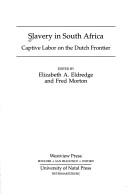
South African slavery differs from slavery practiced in other frontier zones of European settlement in that the settlers enslaved indigenes as a supplement to and eventually as a replacement for imported slave labor. On the expanding frontier, Dutch-speaking farmers increasingly met their labor needs by conducting slave raids, arming African slave raiders, and fomenting conflict among African communities. Captives were used as domestics, herders, hunters, agricultural laborers, porters, drivers, personal servants, and artisans. Slavery was legalized as inboekstelsel and portrayed by authorities as a form of "apprenticeship," in which abandoned and orphaned youths were bonded as unpaid laborers until their mid-twenties. In practice, they were captured as children and held for most of their lives. At least 60 percent of the slaves were female. Adults who escaped or were released from bondage became tenant farmers, settled on mission stations and abandoned Boer farms, or entered African communities. Slavery in South Africa is the first volume to demonstrate that slavery was widespread in South Africa until the late nineteenth century, that thousands of slaves were obtained in raids on African communities and traded within areas of Boer settlement, and that slavery profoundly affected relations within and between Boer and African societies.
Editions · 5
Tags
Similar to this
Nothing similar yet — this fills in as members shelve and rate more books.
Reviews
No reviews yet
The first word is yours.