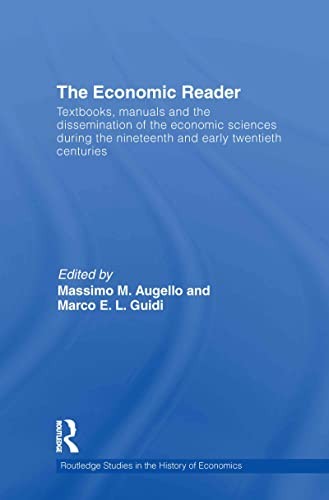
"The book studies the origins and evolution of economic textbooks in the nineteenth and early twentieth century, up to the turning point represented by Paul Samuelson's Economics (1948), which became the template for all the textbooks of the postwar period. The case studies included in the book cover a large part of Europe, the British Commonwealth, the United States and Japan. Each chapter examines various types of textbooks, from those aimed at self-education to those addressed to university students, secondary school students, to the short manuals aimed at the popularisation of political economy among workers and the middle classes. An introductory chapter examines this phenomenon in a comparative and transnational perspective"-- "In the nineteenth century and still in the early decades of the twentieth century textbooks of economics were quite different from those over which thousands of undergrads sweat blood today to prepare their exams. They pedagogical tools, rich of moralistic overtones and of practical indications addressed to policy makers. They were made to persuade both students and the ordinary layman about the benefits of the market order. They also indicated the rules of behaviour that were considered consistent with the smooth functioning of economic mechanisms. The book studies the origins and evolution of economic textbooks in the nineteenth and early twentieth century, up to the turning point represented by Paul Samuelson's Economics (1948), which became the template for all the textbooks of the postwar period. The case studies included in the book cover a large part of Europe, the British Commonwealth, the United States and Japan. Each chapter examines various types of textbooks, from those aimed at self-education to those addressed to university students, secondary school students, to the short manuals aimed at the popularisation of political economy among workers and the middle classes. An introductory chapter examines this phenomenon in a comparative and transnational perspective. This study on the archaeology of modern textbooks reveals the massive effort made by governments and academic authorities to construct and disseminate a system of economic representations and regulations that could be instrumental to establish and consolidate what Michel Foucault called a new type of governmentality, based on natural market laws and on Malthusian population mechanisms"--
Editions · 6
Tags
Similar to this
![Cover of Three years in California [1846-1849]](https://msrciyybckubzitnqaor.supabase.co/storage/v1/object/public/covers/work/021c3912-f0a6-4c9a-80c9-c89c778ea354.jpg) Three years in California [1846-1849]
Three years in California [1846-1849] Starbucked
 Gone With the Wind
 An introduction to the study of political economy
 Medicaid and the costs of federalism, 1984-1992
 Financial fiasco
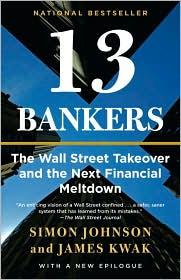 13 Bankers
 Season finale
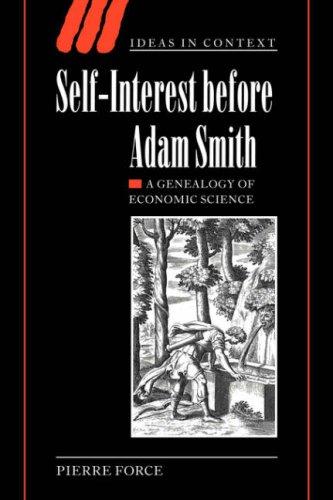 Self-interest before Adam Smith
 Economic transition in historical perspective
 Business History
 The Last Night of the Yankee Dynasty
Reviews
No reviews yet
The first word is yours.